Stop Dieting, Start Eating: The Definitive Guide to Foods That Actually Torch Fat
The weight loss industry is a $96 billion behemoth built on a foundation of failure. Here is a statistic that should make you pause: roughly 95% of people who lose weight on a restrictive diet will gain it all back—and often more—within five years. We have been conditioned to believe that weight loss is a miserable tug-of-war between our willpower and an empty stomach. We’ve been told to eat less, move more, and ignore the screaming hunger signals our brains are sending out.
But what if the problem isn’t your lack of discipline? What if the problem is that you’re eating “diet” foods that actually trigger hunger rather than quenching it? The “best” foods for weight loss aren’t those cardboard-tasting rice cakes or chemical-laden “zero-calorie” snacks. They are nutrient-dense, whole foods that flip your metabolic switch from “storage mode” to “burn mode.”

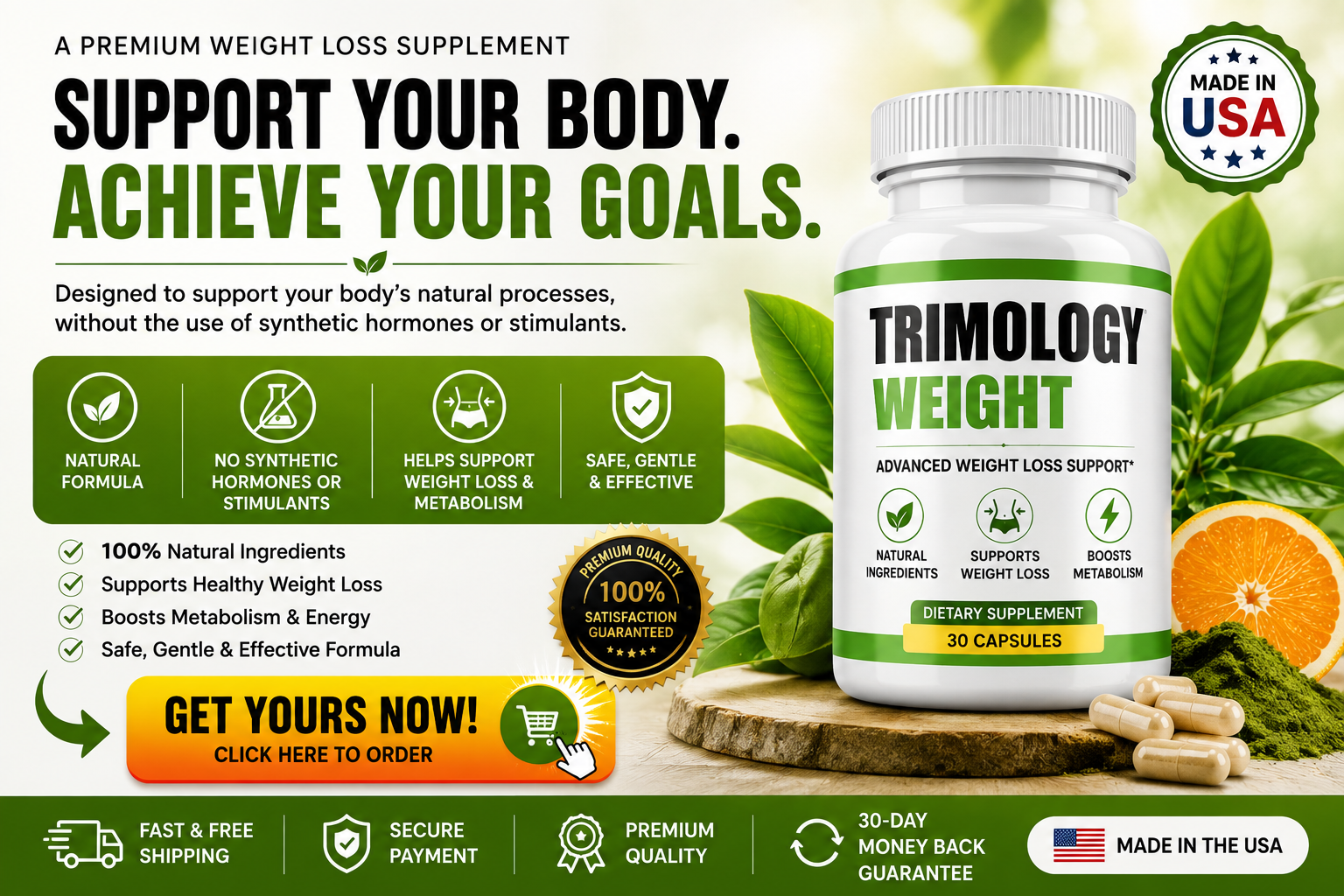
Quick Recommendation: If you are tired of the guesswork and want a streamlined, proven method to accelerate your results without the typical “diet” misery, this is the absolute best solution I have found for my readers: The Ultimate Fat-Burning Shortcut. It bridges the gap between what you eat and how your body processes that fuel.
The Science of Satiety: Why Calories Aren’t Created Equal
In a vacuum, a calorie is a unit of energy. But your body isn’t a vacuum; it’s a complex chemical laboratory. If you eat 500 calories of gummy bears, your insulin spikes, your blood sugar crashes an hour later, and you find yourself raiding the pantry for more. If you eat 500 calories of wild-caught salmon and roasted broccoli, your body releases hormones like PYY and GLP-1 that tell your brain, “We’re good. You can stop eating now.”
To win the weight loss game in 2025 and 2026, you need to focus on two things: Thermic Effect of Food (TEF) and Satiety Density.
1. The High-Protein Powerhouse
Protein is the undisputed king of weight loss. It has the highest TEF of all macronutrients. This means your body uses about 20-30% of the calories in protein just to digest it. Compare that to fats (0-3%) or carbs (5-10%).
- Whole Eggs: Forget the “egg whites only” myth from the 90s. The yolk contains choline and healthy fats that help you feel full. Studies consistently show that people who eat eggs for breakfast feel more satisfied and eat fewer calories throughout the rest of the day compared to those who eat a bagel.
- Chicken Breast and Lean Beef: These are “clean” fuels. They provide the amino acids necessary to maintain muscle mass. This is crucial because muscle is metabolically active—the more you have, the more calories you burn while sitting on the couch watching Netflix.
- Greek Yogurt: This is a secret weapon for those with a sweet tooth. It’s packed with protein and probiotics, which improve gut health. A healthy gut microbiome is now linked to easier weight management and lower inflammation.

2. The Fiber Fortress: Volumizing Your Meals
Fiber is the “magic” ingredient that adds bulk to your food without adding calories. It slows down digestion, ensuring a slow and steady release of glucose into your bloodstream.
- Cruciferous Vegetables: Broccoli, cauliflower, Brussels sprouts, and kale are essentially “free” foods. You can eat a massive bowl of roasted cauliflower for under 100 calories. The sheer volume tricks your stomach’s stretch receptors into signaling fullness to your brain.
- Legumes and Beans: Beans, lentils, and chickpeas are unique because they are high in both protein and fiber. They also contain “resistant starch,” which feeds the good bacteria in your gut.
- Berries: When you need something sweet, skip the fruit juice and reach for raspberries or blueberries. They are lower in sugar than most fruits and packed with antioxidants that help combat the oxidative stress caused by a high-intensity lifestyle.
The Metabolic Engine: How to Keep the Fire Burning
Most people think of metabolism like a fixed speed limit on a highway. In reality, it’s more like a wood-burning stove. If you don’t feed it the right wood, the fire dies down. If you throw on high-quality logs, the heat intensifies.
To maximize this, you need to look beyond just “food” and look at how your body integrates these nutrients. Many people find that even with a perfect diet, they hit a plateau because their metabolic flexibility is low. This is where a targeted tool like this metabolic optimizer can make a world of difference. It helps your body transition from burning carbs to burning stored fat more efficiently.
3. Healthy Fats: The Paradoxical Weight Loss Tool
It sounds counterintuitive to eat fat to lose fat, but the right fats are essential for hormonal health. If your hormones (like leptin and ghrelin) are out of whack, you will always be hungry.
- Avocados: These are loaded with monounsaturated oleic acid, the same type of fat found in olive oil. They also provide a massive amount of fiber and potassium.
- Fatty Fish: Salmon, mackerel, and sardines are rich in Omega-3 fatty acids. These fats help reduce inflammation, which is often the hidden culprit behind stubborn weight gain around the midsection.
- Nuts (in moderation): A handful of almonds or walnuts provides a satisfying crunch and prevents the mid-afternoon energy slump. Just be careful—nuts are calorie-dense, so don’t eat them by the bagful.
4. Boiled Potatoes: The Satiety King
This might shock some “low-carb” enthusiasts, but on the Satiety Index (a scale measuring how full different foods make you), plain boiled potatoes rank #1. They are incredibly filling. The trick is to boil them and let them cool; this creates resistant starch, which is great for your gut and helps regulate blood sugar. Just skip the butter and sour cream if weight loss is the primary goal.

Actionable Steps: How to Build Your Plate
Stop counting every single calorie—it’s exhausting and unsustainable. Instead, use the “Plate Method” for every meal:
- 50% Vegetables: Fill half your plate with greens or cruciferous veggies.
- 25% Lean Protein: A portion the size of your palm (chicken, fish, tofu, or lean beef).
- 15% Healthy Carbs: A small scoop of quinoa, a boiled potato, or some berries.
- 10% Healthy Fats: A thumb-sized portion of avocado, nuts, or a drizzle of olive oil.
By following this ratio, you are naturally crowding out high-calorie, low-nutrient junk. You’ll find that you’re naturally eating fewer calories without feeling like you’re “on a diet.” However, if you find your progress has stalled despite eating this way, it might be time to address the underlying cellular efficiency of your body. You can jumpstart that process by clicking here to see the recommended protocol.
Frequently Asked Questions
What is the #1 food for weight loss?
There isn’t one single “superfood,” but if we had to pick based on satiety and metabolic impact, Whole Eggs are often cited as the best starting point for most people. They are affordable, versatile, and provide the perfect mix of protein and fat to kill hunger.
Can I eat fruit and still lose weight?
Absolutely. While fruit contains sugar (fructose), it also contains fiber and water, which slows down the sugar absorption. Focus on berries, apples, and grapefruit, which have a lower glycemic load than tropical fruits like mangoes or pineapples.
How many times a day should I eat?
This depends entirely on your lifestyle. Some people thrive on “Intermittent Fasting” (eating within an 8-hour window), while others prefer five small meals. The total quality and quantity of food over a 24-hour period matter much more than the frequency of meals.
Do I need to cut out carbs completely?
No. Cutting carbs entirely can actually slow down your thyroid and increase cortisol (the stress hormone) in the long run. The key is choosing “complex” carbs like sweet potatoes and oats over “simple” carbs like white bread and sugary cereals.
Why am I not losing weight even though I eat healthy?
Often, it’s due to “hidden” calories (like dressings and oils) or metabolic adaptation. Your body is very good at surviving, so it might slow down your metabolism to match your lower calorie intake. Supporting your metabolism with the right nutrients and tools is essential to break through these plateaus.
The Final Verdict: My Top Recommendation
The journey to a healthier, leaner version of yourself doesn’t have to be a battle of attrition. You don’t need to live on celery sticks and spend three hours a day on a treadmill. The secret lies in working with your biology instead of against it. By prioritizing high-protein, high-fiber, and nutrient-dense foods, you are essentially telling your body that it is safe to let go of stored fat.
But I also know that life gets in the way. Stress, poor sleep, and age can all conspire to slow your results to a crawl, even when you’re doing everything “right.”
If you want to bypass the frustration of “slow results” and give your body the best possible chance to succeed, my top recommendation is to combine these food choices with a proven metabolic support system. It’s the closest thing to a “cheat code” for your weight loss journey, helping you maintain energy levels while your body torches fat.
Don’t wait for “next Monday” to start. Take the first step toward the body you deserve right now.